



Turn Recurring Tasks into Repeatable Systems
Principle: Never treat a recurring task as a one-off. If it happens regularly, build a system for it.
Most SMEs don’t struggle because the work is impossible. They struggle because the same work keeps showing up… and every time, it gets done from scratch.
The result is predictable: tasks take longer than they should, quality depends on who’s doing it, and the business becomes reliant on someone remembering “how we did it last time”.
Why It Matters
Founders of serious SMEs work on the business, not just in it. And one of the clearest signs you’re starting to work “on” the business is this:
You stop asking: “How do I get this done today?”
And you start asking: “How do I stop this becoming a problem next month?”
Systems create leverage. They save time, reduce errors, and lower the mental load of running your business.
Over time, these systems become the engine of the company — because your results stop being dependent on heroic effort, perfect memory, or founder availability. Your business becomes more consistent, more scalable, and easier to hand off.
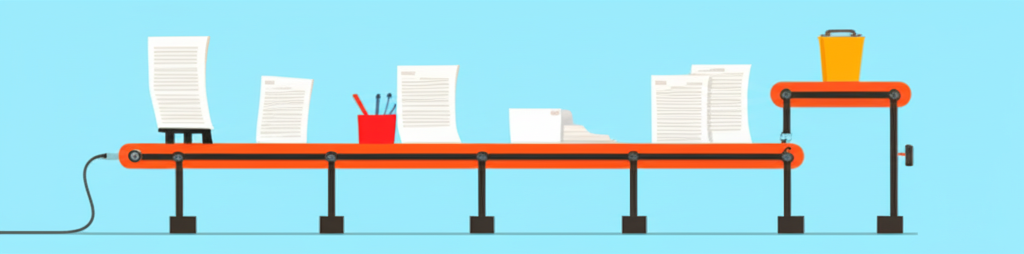
The Hidden Cost of “We’ll Just Do It Again”
In early-stage businesses, repeating tasks manually feels normal. You’re moving fast, wearing multiple hats, and the priority is getting things done.
But once you’ve repeated something a few times, the cost changes:
• You lose time re-thinking decisions you already made
• You create inconsistency across clients or projects
• You increase mistakes because the process lives in someone’s head
• You make it hard to train someone else because nothing is documented
• You stay stuck doing work that the business should “own”
This is where many SMEs get trapped. They’re not failing — they’re just permanently rebuilding the same wheel.
Application: Turn One Recurring Task Into a System This Week
The best way to build systems is to start small. Don’t systemise everything at once. Pick one thing that keeps coming back.
A few good examples:
Examples of recurring tasks worth systemising:
Monthly reporting (metrics, accounts, marketing performance)
Onboarding a new client (kickoff, access, delivery plan)
Running payroll (inputs, checks, approvals, payment steps)
Content scheduling (writing, reviewing, publishing, recycling)
Lead follow-up (responses, reminders, qualification steps)
Then do something simple: write down the steps while you’re doing it.
Not as a perfect document. Not as a fancy SOP. Just a straightforward checklist:
• What happens first?
• What tools are involved?
• What decisions need to be made?
• What “gotchas” happen every time?
• What’s the final output that counts as “done”?
Save that checklist and re-use it next time. At that moment, the task stops being “work you do” and becomes an asset your company owns.
Make It Transferable (So It’s Not Founder-Dependent)
A system becomes powerful when someone else can run it without guessing. That’s where you start building operational resilience.
Once your checklist exists:
• Assign it to someone else (even partially)
• Let them run it once with your support
• Improve the checklist based on what went wrong
• Repeat until it no longer needs your involvement
This is how serious SMEs reduce founder bottlenecks without sacrificing quality. The goal isn’t “less control”. The goal is more consistency.
How WAi Forward Supports System-Building in Real SMEs
At WAi Forward, this “turn repeat work into systems” mindset is core to everything we build. The goal is not random automation for the sake of it. The goal is structured execution — so the business runs calmer and more reliably.
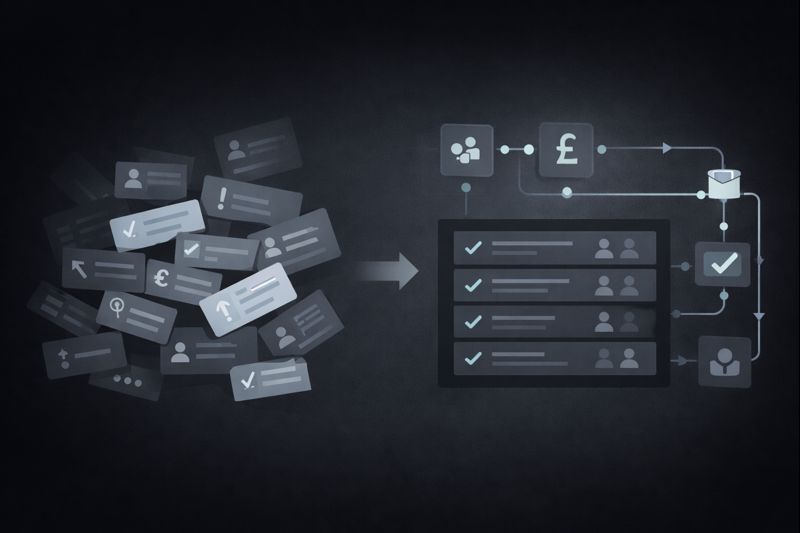
Our ecosystem is built on RunWAi, our object-oriented AI engine, which treats work as structured objects (leads, tasks, posts, invoices) with clear lifecycles — instead of messy, untracked work floating around across inboxes and chats.
Here are a few practical examples of what that looks like:
Lead the WAi (Influence - Marketing & Sales Automation): Stop reinventing follow-ups and outreach. Build a repeatable process for lead nurture, contact timing, and content-driven conversion. Each lead moves through a consistent lifecycle instead of relying on memory or manual effort.
PathWAI (Time - Workflow & Productivity): Turn recurring projects into templates. Assign ownership, track progress, and standardise delivery so work runs the same way every time — even when different people execute it.
PAI it Forward (Money - Finance & Accounting Automation): Systemise your finance admin. Keep invoicing, categorisation, and reporting consistent and auditable. Reduce the “end-of-month panic” by turning recurring money tasks into repeatable workflows.
And importantly: WAi Forward is designed for hybrid AI + human workflows. AI drafts, suggests, routes, and assists — but you keep control with review and approval. That’s how you build systems without losing quality or your voice.
Rule: The Three Times Rule
The simplest rule for system-building in SMEs:
If you’ve done it 3 times, it’s worth creating a process for.
On the third repetition, take an extra 30 minutes to document it properly. The fourth time will take half the effort. And after that, it becomes something you can confidently hand off.
That’s the compounding effect most SMEs miss: systems don’t just save time once — they save time every month, forever.
Roundtable Question
If you had to pick one recurring task that wastes the most time in your business right now… what would it be?
And what do you think would happen if you turned it into a proper system next week?
WAi Forward is bringing structured, intelligent, and accessible automation to UK SMEs — so founders can stop repeating the same work, and start building businesses that scale without burnout.
WAi Forward - AI-automation for serious SMEs.